Atmospheric Moisture Map Uses in Restoration Planning
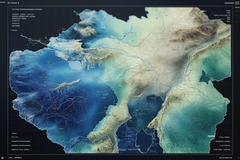
Understanding moisture levels in the environment plays a crucial role in ensuring successful restoration planning. While we often overlook the subtle effects of atmospheric moisture, its impact is undeniably significant, particularly when assessing damage and strategizing repair efforts. This is where the concept of using an atmospheric moisture map comes into play. With its capacity to provide real-time data on moisture levels, it becomes an indispensable tool for restoration professionals. Hence, the need for restoration management software becomes increasingly evident, highlighting its importance as a core service offering by companies like Clean Claims.
The restoration industry's growth depends heavily on the gathering and analysis of precise information. Whether it's about achieving efficient water removal, managing mold growth, or repairing structural damage, restoration work is science-driven. An atmospheric moisture map not only helps to monitor environmental conditions but also improves the accuracy of restoration efforts. By delving into the uses and benefits of an atmospheric moisture map, this article aims to equip professionals with the knowledge and insights needed for enhanced strategy development and outcome efficiency.
Understanding Atmospheric Moisture Maps
The concept of an atmospheric moisture map may appear complex at first. However, its function is straightforward: it provides a graphical representation of moisture distribution in the atmosphere. These maps are typically generated using satellite data and offer insights into humidity levels across different regions, assisting in predicting weather patterns and changes. For restoration professionals, it's an invaluable tool that informs decisions about equipment placement, timelines, and resource allocation.
While the science behind these maps involves sophisticated technology, their practical application in restoration is simple yet profound. By interpreting these maps, experts can anticipate areas that may be susceptible to water damage. This proactive approach not only enhances efficiency but also reduces costs related to emergency measures. As restoration professionals leverage atmospheric moisture maps, they can refine their strategies and offer more robust solutions to clients.
Benefits of Atmospheric Moisture Maps in Restoration
Deploying atmospheric moisture maps in restoration planning yields numerous benefits. First and foremost, it allows for more accurate risk assessment. Identifying areas of potential water accumulation enables restoration teams to take precautionary actions before significant problems arise. Beyond this initial benefit, these maps enhance communication and collaboration across teams. When everyone has access to the same data and predictions, coordinating efforts becomes seamless.
Furthermore, atmospheric moisture maps can significantly optimize the logistics involved in restoration projects. By understanding the regions most affected by moisture, companies can prioritize resources such as workforce and equipment more effectively. This optimization is particularly crucial in large-scale projects where time and accuracy are of the essence. As a result, restoration classes can benefit tremendously by incorporating atmospheric moisture maps into their curriculum, emphasizing data-driven methodologies.
Integration with Restoration Management Software
While atmospheric moisture maps provide valuable insights, integrating them with restoration management software multiplies their impact. The software acts as a central hub where all data can be aggregated and analyzed collaboratively. This integration allows for streamlined operations, as it facilitates better planning and execution of restoration projects. Companies like Clean Claims understand the importance of this integration, as it enhances their overall service offerings.
Moreover, this integrated approach not only improves efficiency but also ensures that all stakeholders are on the same page. From project managers to on-site technicians, everyone can access updated information in real time. This interconnected system supports quicker decision-making, thereby improving the overall quality of restoration work. Embracing technology within the restoration industry, as seen with atmospheric moisture maps, is a significant step toward modernization.
Challenges and Considerations
Despite their many advantages, there are challenges associated with the use of atmospheric moisture maps. Accessibility to accurate and up-to-date data can be a limiting factor for some companies, particularly smaller firms with limited resources. Moreover, interpreting this data requires specialized knowledge, meaning that training becomes essential but often costly.
Another consideration is the technology itself. Many atmospheric moisture maps rely on satellite data, which, while generally reliable, may sometimes face disruptions. Restoration companies must prepare for such instances by having contingency plans and alternative data sources. It’s also crucial to remember that while atmospheric moisture maps are influential, they are just one piece of a larger puzzle. Comprehensive restoration efforts must incorporate a variety of data types and analysis for best results.
Clean Claims: Your Partner in Effective Restoration
The need for robust and effective restoration planning tools is evident. Atmospheric moisture maps are a vital component of modern strategies, offering insights that enhance both preparation and response. Companies like Clean Claims stand at the forefront of this technological integration, providing solutions that blend traditional expertise with modern technological advancements.
Beyond the use of atmospheric moisture maps, Clean Claims offers remote equipment monitoring and field documentation software for comprehensive support. This suite of tools ensures that restoration processes are not only efficient but also reliable. If you're working on a restoration project, having access to such advanced technology is invaluable. By choosing Clean Claims, you align with a future-focused partner committed to minimizing environmental impact while maximizing restoration effectiveness.
Incorporating atmospheric moisture maps into your restoration planning can set your business apart, improving not only the results of your services but also building long-term trust with clients. Embrace the power of innovative technology with Clean Claims and transform your restoration projects into successes. Contact us today!
Recent Posts
-
August 3, 2026
How to Choose Preconstruction Software for Contractors
-
August 1, 2026
Moisture Mapping Waterproofing Solutions for Problem Areas
-
July 17, 2026
Must Have Tools for Restoration Contractors in the Field