What is Moisture Mapping Exactly? An Overview
Do you know what happens to a building after a massive water leak or flooding event? While most people might only think of visible damages, there’s more lurking underneath - hidden moisture that can wreak havoc if not properly attended to. That's where moisture mapping plays a crucial role. But what is moisture mapping exactly? It is a strategic process employed by restoration professionals to detect and visualize moisture content in building materials. This critical method ensures proper drying, reducing the risk of mold and structural damage. Restoration companies like Clean Claims utilize sophisticated restoration software for contractors to conduct these essential evaluations effectively.
Moisture mapping is a vital part of any restoration project following water damage. Without it, restoration efforts might overlook hidden moisture, leading to prolonged problems. This blog explores the intricacies of moisture mapping and why it is indispensable in the restoration industry. With Clean Claims' commitment to using advanced restoration techniques, understanding moisture mapping will also highlight the significant benefits of leveraging technology, such as field documentation software, for optimal restoration results.
Understanding Moisture Mapping
Moisture mapping begins with the identification and assessment of water-damaged areas in a structure. Specialized equipment, such as moisture meters and thermal imaging cameras, is employed to detect and document areas with excessive moisture. These devices offer precise readings, allowing restoration experts to draw moisture maps that graphically represent affected zones.
Creating a moisture map involves first measuring the moisture in various building materials, such as walls, floors, and ceilings. These readings help restoration professionals establish a baseline and understand the extent of moisture spread. The data collected enables restoration teams to target specific areas that require more intensive drying methods, ensuring complete dryness and preventing future issues like mold growth.
Incorporating technology like remote equipment monitoring enhances the accuracy and efficiency of moisture mapping. Such systems deliver real-time data, allowing contractors to continuously monitor moisture levels and adjust their strategies accordingly. This proactive approach reduces the risk of overlooked damage and shortens restoration timelines, offering a quicker return to normalcy for affected properties.
The Critical Role of Technology
Technological advancements have revolutionized the restoration industry, providing contractors with tools that make moisture mapping more accurate and efficient. Restoration-specific software and equipment ensure thorough assessments, accurate data collection, and proper documentation, all of which are critical for insurance purposes and successful project completion.
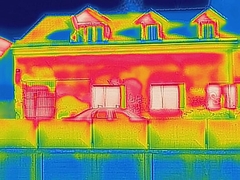
Thermal imaging cameras are particularly useful, offering a visual representation of temperature variations that indicate hidden moisture. These images, when integrated with software, provide a comprehensive view of the moisture scenario in a building. Often, reading the data collected with moisture-sensitive tools is cross-referenced with mapping software, creating detailed reports that guide restoration processes.
Furthermore, using field documentation software allows for seamless reporting and data sharing between team members and stakeholders, which is essential for effective communication and accountability. Water damage restoration software merges these various technological tools into a cohesive system that supports each step of the restoration process. This integration helps streamline project management, ensuring that deadlines are met while maintaining the highest standards of quality.
Importance of Accurate Data and Analysis
Accurate moisture mapping is crucial not only for successful restoration but also for ensuring the safety and structural integrity of buildings. Excess moisture can lead to rot and deterioration in building materials, compromising the safety of the structure. Accurate data collection through moisture mapping allows for precise drying plans tailored to specific areas, minimizing damage and providing long-term solutions.
More than just a technical process, moisture mapping involves a critical analysis of data to make informed decisions. Skilled restoration professionals interpret the data results to craft effective drying strategies, addressing the root causes of moisture infiltration. This strategy helps prevent secondary damage, such as mold growth, which can have detrimental health impacts on occupants.
Benefits of Moisture Mapping
The benefits of effective moisture mapping go beyond immediate restoration needs. For starters, it helps optimize the use of resources by directing attention to the areas that need it most. Following a structured approach and prioritizing high-risk zones reduces unnecessary labor and equipment use, cutting down on time and cost.
Here are the main advantages of moisture mapping in restoration:
- Prevents Hidden Damage: Identifies areas not visible to the naked eye, ensuring comprehensive restoration.
- Speeds Up Recovery: By pinpointing critical areas, faster drying solutions can be applied, accelerating the restoration process.
- Enhances Safety: Mitigates health risks associated with mold and structural degradation by ensuring effective removal of moisture.
- Improves Insurance Reporting: Precise documentation of moisture levels facilitates smooth insurance claims processing.
- Reduces Long-term Costs: Proactively addressing hidden moisture curtails future repair needs and associated expenses.
How Clean Claims Leads the Way in Restoration
Clean Claims, a leader in providing restoration services, leverages state-of-the-art technology to enhance its restoration efforts. By incorporating tools such as water damage restoration software, Clean Claims ensures comprehensive and efficient service delivery. This software aids in seamless project management and documentation, proving invaluable for successful restorations.
Moreover, Clean Claims goes further by incorporating field documentation software. This ensures that all parties involved, from clients to insurance companies, have accurate records, enhancing transparency and trust. The integration of innovative tools underscores Clean Claims' commitment to pioneering effective solutions in challenging restoration scenarios.
Empowering Restoration Professionals
For restoration professionals, understanding what moisture mapping is can significantly enhance the effectiveness of their work. Comprehensive insights and timely interventions go a long way in averting potential disasters. Moisture mapping is not just a technical process but a strategic asset that ensures quality, safety, and peace of mind.
Adopting a mindset that embraces continuous learning and technology adoption is crucial. For instance, using systems for field documentation software in places like Dallas can streamline operations while enhancing the quality of service provided. Professionals who equip themselves with the latest tools and practices will lead the industry in delivering exemplary results.
Why Choose Clean Claims
By ensuring moisture is thoroughly mapped and addressed, Clean Claims protects both property and occupant health. Their team of experienced professionals utilizes cutting-edge technology to detect and resolve moisture issues swiftly. This proactive approach to restoration not only minimizes disruptions but also provides long-term peace of mind for property owners.
If you're in need of reliable restoration services, Clean Claims stands out as a dependable ally. With their extensive expertise and commitment to quality, they promise effective solutions tailored to your specific needs. Don’t leave your restoration to chance—trust Clean Claims to deliver the highest level of service, ensuring your property is restored safely and efficiently.
Whether you're dealing with water intrusion or seeking preventative measures, let Clean Claims provide the expertise and support you require. Reach out for a comprehensive assessment and service that guarantees results, prioritizing both quality and customer satisfaction.
Recent Posts
-
August 3, 2026
How to Choose Preconstruction Software for Contractors
-
August 1, 2026
Moisture Mapping Waterproofing Solutions for Problem Areas
-
July 17, 2026
Must Have Tools for Restoration Contractors in the Field