Ground Moisture Map: How It Helps Track Water Issues
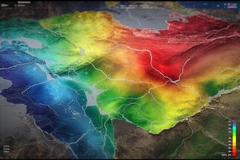
When heavy rains strike or drought conditions linger, understanding how water moves through soil can become critical. A ground moisture map serves as a valuable tool in these situations, offering real-time data on soil moisture levels across various regions. For companies involved in restoration software, having access to a detailed and accurate ground moisture map can make a substantial difference in planning restoration efforts and mitigating water-related damages.
The importance of ground moisture maps extends beyond mere observation; they are instrumental in managing land use and preventing water issues before they arise. In this guide, we will explore how these maps work, their significance in restoration projects, and how they can be integrated with advanced technologies to enhance water management strategies.
Understanding Ground Moisture Maps
A ground moisture map visually represents soil moisture content across a specific area. These maps are crafted using data from remote sensors, satellites, or manual surveys, depending on the scope and precision required. Ground moisture maps typically present data in layers, showcasing depth and saturation levels. This layered approach enables specialists to assess not only surface moisture but also deeper water saturation that might affect crops, infrastructure, or restoration sites.
Urban planners and agricultural sectors often utilize these maps. By predicting areas prone to flooding or drought, businesses can prepare, preventing potential damage and minimizing losses. In areas where weather extremes can vary, having a clear picture of soil moisture levels helps inform infrastructure development and land management practices.
The Role of Ground Moisture Maps in Restoration
Ground moisture maps play a pivotal role in the restoration industry. Restoration professionals rely on these maps to assess damages and devise strategies effectively. Understanding the moisture levels within an area helps predict trouble spots where over-saturation might lead to structural concerns or where soil might be too dry to support plant life post-restoration. With this data, professionals can better plan corrective measures, deploy resources more efficiently, and anticipate potential future issues.
Moreover, incorporating insights from a ground moisture map into restoration workflows can aid in complying with environmental regulations, ensuring that efforts are sustainable and environmentally friendly. This becomes particularly crucial in sectors like agriculture and construction, where legal compliance and sustainability are increasingly important.
How Technology Enhances Ground Moisture Mapping
In recent years, technological advancements have significantly enhanced the creation and application of ground moisture maps. Tools such as remote equipment monitoring and field documentation software allow for real-time data processing and analysis, making it easier for restoration companies to update their strategies quickly.
These technologies enable the continuous collection and processing of data, which can be directly integrated into restoration software. This means restoration teams have immediate access to the most current moisture conditions, allowing for rapid response to changing environmental conditions. The integration of technology with ground moisture mapping not only optimizes operations but also supports decision-making processes in real time.
Challenges and Solutions in Using Ground Moisture Maps
While ground moisture maps offer many benefits, there are challenges in their development and application. Creating accurate maps requires sophisticated technology and expertise, which can be costly. Data quality can also vary due to sensor accuracy, environmental factors, and data processing techniques.
To overcome these challenges, restoration companies can rely on partnerships with technology providers who specialize in sensory equipment and mapping software. Investing in training for staff and staying updated with the latest technological advancements can also ensure that the implementation of these maps is as effective as possible.
Additionally, collaboration with governmental and environmental agencies can improve data accuracy and resource availability. These organizations often have access to extensive resources and data repositories that can complement the maps created by private entities.
Maximize Ground Moisture Map Benefits with Comprehensive Software
Harnessing the full advantage of a ground moisture map involves integrating it with robust software solutions. Remote equipment monitoring enhances the visibility and response capabilities of teams on the ground. For instance, pairing these maps with water damage restoration software provides a cohesive view of existing and potential water issues, ensuring a swift and effective restoration process.
Strategies to Optimize Ground Moisture Map Use
To further maximize the utility of ground moisture maps, consider employing the following strategies:
- Routine Updates: Ensure maps are regularly updated to reflect the most current data, allowing for timely interventions and efficient planning.
- Cross-Functional Collaboration: Engage with different departments to unify objectives and strategies, leveraging diverse expertise for optimal outcomes.
- Predictive Analysis: Utilize data trends derived from these maps to predict future water issues, enabling proactive measures.
Transforming Restoration with Ground Moisture Maps
As you consider ways to enhance your restoration efforts, ground moisture maps represent an innovative leap forward in data-driven decision-making. From real-time insights to predictive analytics, the use of these maps empowers professionals to tackle water issues with precision and foresight. By integrating ground moisture maps with field documentation software, you can achieve unprecedented efficiency and effectiveness in your operations.
Maximize your potential and explore opportunities with Clean Claims. Our expertise in restoration and advanced technology ensures that you’re equipped to address Alabama's unique environmental challenges. Leverage our cutting-edge solutions and discover how our services can transform your restoration processes. Connect with us today to unlock the potential of ground moisture maps in your restoration endeavors.
Recent Posts
-
August 17, 2026
Software for Field Service Contractors to Improve Workflow
-
August 15, 2026
Atmospheric Moisture Map Uses in Restoration Planning
-
August 3, 2026
How to Choose Preconstruction Software for Contractors